



Previous
Next
Soft Magnetic Alloy for Magnetic Heads | High Permeability Magnetic Material
- soft magnetic alloy for magnetic heads
- soft magnetic alloys
- soft magnetic material
- high permeability soft magnetic alloy
- high permeability magnetic material
- soft magnetic alloy manufacturer
Description
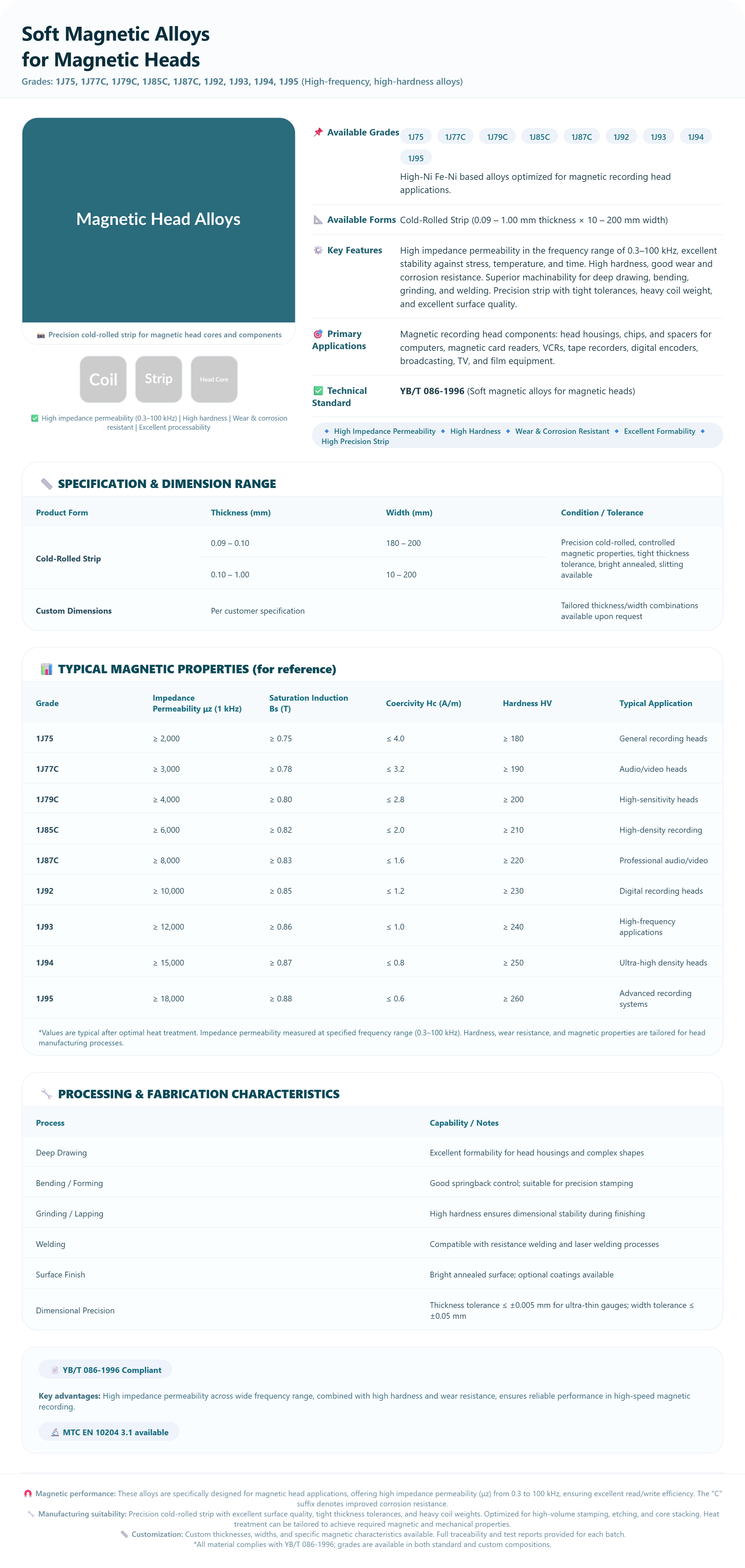
High-Ni Fe-Ni based soft magnetic alloys for magnetic heads (1J75-1J95) offer high impedance permeability, high hardness, and wear resistance. Ideal for audio/video, digital recording, and high-density magnetic heads. YB/T 086-1996 compliant.
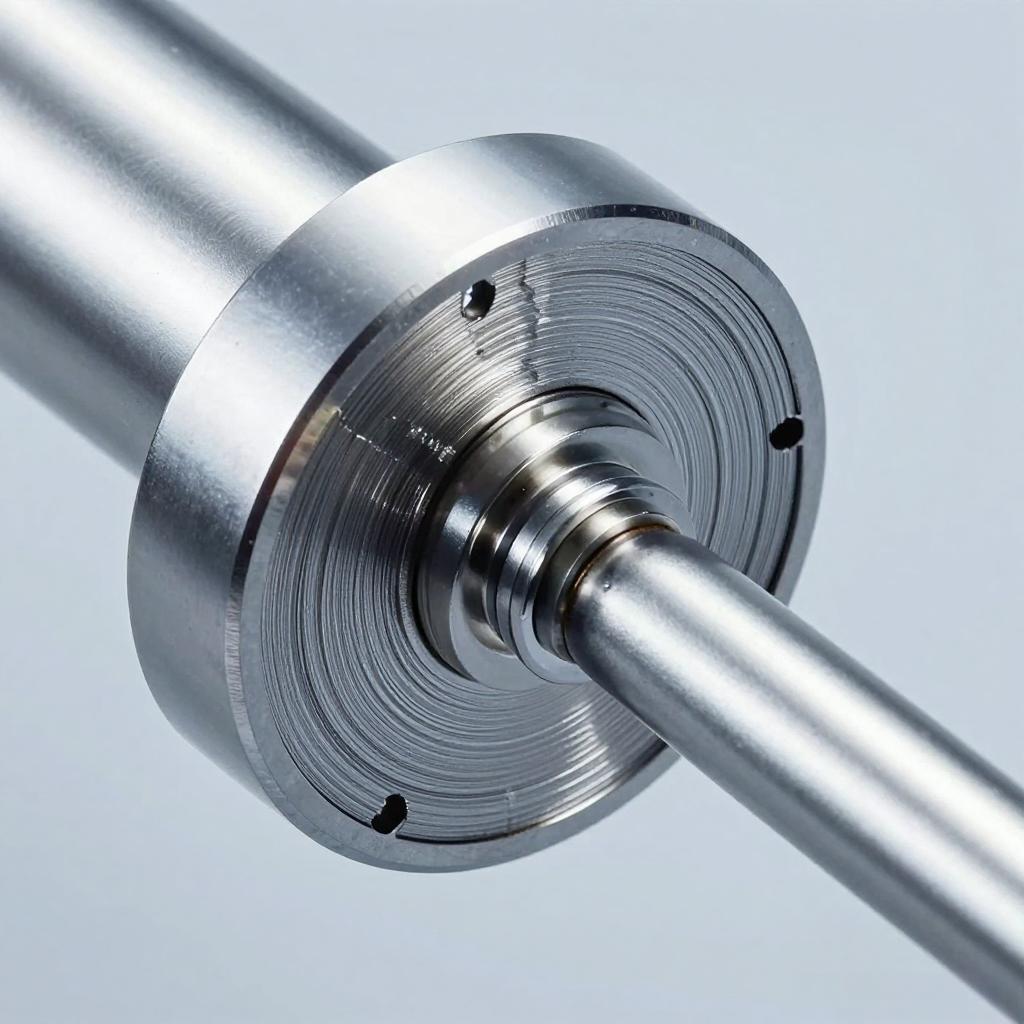
Soft Magnetic Alloy for Magnetic Heads
Soft magnetic alloys for magnetic heads are specialized magnetic materials designed for applications that require high permeability, low coercivity, stable magnetic response and controlled magnetic characteristics. These materials can be used in magnetic head structures, magnetic circuits, sensors, electromagnetic components and other precision electronic applications.
Depending on the alloy grade, material form, dimensions and required magnetic performance, soft magnetic alloys can be supplied for applications where efficient magnetic flux guidance, sensitive magnetic response and reliable operating characteristics are important.
Material selection should consider magnetic permeability, coercive force, saturation induction, hysteresis characteristics, operating frequency, material thickness, heat treatment and the manufacturing process of the final component.
What Is Soft Magnetic Alloy for Magnetic Heads?
Soft magnetic alloys are ferromagnetic materials that can be magnetized and demagnetized relatively easily under an applied magnetic field. Unlike permanent magnet materials, soft magnetic alloys are primarily selected for their ability to respond to and control magnetic flux.
For magnetic head applications, the material must be carefully selected according to the operating principle and construction of the magnetic head.
Important material characteristics can include:
High magnetic permeability
Low coercive force
Suitable saturation induction
Low magnetic loss where required
Stable magnetic characteristics
Good dimensional stability
Suitable formability or machinability
Controlled material thickness and tolerances
The appropriate alloy grade depends on the magnetic circuit design, operating frequency, magnetic field strength, required sensitivity and manufacturing process.
Key Properties of Soft Magnetic Alloys for Magnetic Heads
High Magnetic Permeability
High magnetic permeability allows a material to respond efficiently to an applied magnetic field and guide magnetic flux through an appropriately designed magnetic circuit.
For magnetic head applications, permeability is an important consideration because the magnetic material may need to respond effectively to relatively weak magnetic fields.
Low Coercive Force
Coercive force indicates the resistance of a magnetized material to a change in its magnetic state.
A relatively low coercive force is one of the characteristic requirements of many soft magnetic materials and can be beneficial in applications involving repeated magnetization and demagnetization.
Suitable Saturation Induction
Saturation induction is another important parameter when selecting a magnetic head material.
The required saturation characteristics depend on the magnetic field strength and operating conditions of the application. Engineers should evaluate saturation induction together with permeability and coercivity rather than considering a single parameter independently.
Stable Magnetic Performance
Consistent magnetic characteristics are important for precision magnetic components.
Material composition, processing history, dimensions and heat-treatment conditions can all influence the final magnetic properties. Appropriate material processing and inspection are therefore important for maintaining production consistency.
Precision Dimensions
Magnetic head components may require controlled material thickness, width and dimensional tolerances.
The appropriate dimensional specification depends on the component design and subsequent manufacturing process, such as stamping, forming, machining or other precision processing.
Magnetic Head Material Selection
Choosing a soft magnetic alloy for a magnetic head requires consideration of the complete application rather than simply selecting the material with the highest permeability.
Magnetic Permeability
Determine the permeability range required by the magnetic circuit and operating conditions.
Coercivity
Consider the required magnetization and demagnetization behavior of the component.
Saturation Characteristics
Evaluate whether the material can operate within the required magnetic flux range without reaching an unsuitable saturation condition.
Operating Frequency
Frequency can affect magnetic losses and material selection. Material thickness and magnetic characteristics should therefore be considered together.
Material Thickness
The required thickness depends on the magnetic circuit, manufacturing process, operating frequency and dimensional requirements of the finished component.
Heat Treatment
Heat treatment can significantly influence the magnetic characteristics of soft magnetic alloys. The required processing condition should be considered when defining the material specification.
Dimensional Tolerance
Precision magnetic head components may require controlled thickness and width tolerances to achieve consistent manufacturing results.
Applications of Soft Magnetic Alloys for Magnetic Heads
Magnetic Recording Heads
Selected soft magnetic alloy materials can be used in magnetic head structures and related magnetic circuits where high permeability and controlled magnetic response are required.
Magnetic Sensors
Certain soft magnetic materials can be considered for magnetic sensing components where controlled magnetic response is required.
Electromagnetic Components
Soft magnetic alloys are used in various electromagnetic components that require efficient magnetic flux guidance and controlled magnetization characteristics.
Magnetic Cores
Depending on the alloy grade, geometry and operating conditions, soft magnetic alloys can be used in specialized magnetic core applications.
Electronic Components
Precision soft magnetic materials can be used in specialized electronic and signal-related components where material consistency and controlled magnetic properties are important.
Soft Magnetic Alloy Forms
Depending on the alloy grade and manufacturing requirements, soft magnetic materials may be supplied in different forms.
Typical forms can include:
Precision strip
Sheet
Wire
Customized dimensions
Application-specific material forms
The available form, thickness, width, diameter and tolerance should be confirmed according to the selected alloy grade and customer requirements.
Soft Magnetic Alloy Specification
| Item | Description |
|---|---|
| Product | Soft Magnetic Alloy for Magnetic Heads |
| Material Type | Soft Magnetic Alloy |
| Main Application | Magnetic Heads and Precision Magnetic Components |
| Magnetic Characteristics | High Permeability / Low Coercivity / Stable Magnetic Response |
| Material Form | Strip / Sheet / Wire / Customized Form |
| Thickness | According to Alloy Grade and Customer Requirements |
| Width | According to Customer Requirements |
| Dimensional Tolerance | Application Specific |
| Surface Condition | According to Specification |
| Heat Treatment | Alloy and Application Dependent |
| Inspection | According to Material and Customer Specification |
Actual technical values should be confirmed according to the selected alloy grade and applicable material specification.
Custom Soft Magnetic Alloy for Magnetic Heads
Different magnetic head designs may require different combinations of magnetic and mechanical properties. We support application-specific material requirements based on alloy grade, dimensions, magnetic characteristics and manufacturing conditions.
Customization requirements may include:
Alloy grade
Chemical composition
Thickness
Width
Length
Strip or sheet form
Wire or other material forms
Dimensional tolerance
Magnetic permeability
Coercive force
Saturation induction
Remanent induction
Surface condition
Heat-treatment condition
Packaging requirements
Inspection documentation
For a technical quotation, customers can provide the required alloy grade, dimensions, application and available technical specification.
Manufacturing and Quality Control
The final magnetic performance of soft magnetic alloys depends on chemical composition, processing history, dimensional accuracy and heat-treatment conditions.
Our quality-control process can focus on the following areas according to the material specification.
Chemical Composition Inspection
Material composition can be evaluated against the specified alloy grade to help maintain material consistency.
Dimensional Inspection
Thickness, width, length and other dimensional requirements can be checked according to customer specifications.
Surface Inspection
Material surfaces can be inspected for visible defects that may affect subsequent processing or component manufacturing.
Magnetic Property Testing
Depending on the alloy grade and requirements, magnetic characteristics such as permeability, coercivity, remanence and saturation properties can be evaluated.
Packaging Inspection
Precision alloy materials should be properly packaged to reduce the risk of moisture, contamination and mechanical damage during storage and transportation.
Soft Magnetic Alloy vs Permanent Magnet Material
Soft magnetic alloys and permanent magnet materials have different functions.
| Feature | Soft Magnetic Alloy | Permanent Magnet Material |
|---|---|---|
| Main Purpose | Control and guide magnetic flux | Produce a persistent magnetic field |
| Magnetization | Relatively easy | Designed for permanent magnetization |
| Demagnetization | Relatively easy | More difficult |
| Coercivity | Generally low | Generally high |
| Typical Applications | Magnetic heads, cores, sensors and electromagnetic components | Motors, actuators and permanent magnets |
For magnetic head applications, the appropriate material should be selected according to the magnetic circuit and operating requirements.
Why Choose a Specialized Soft Magnetic Alloy Supplier?
Selecting a magnetic material supplier involves more than comparing alloy prices. Consistent material composition, dimensional accuracy, magnetic performance and technical support can directly influence the manufacturing performance of the final component.
For application-specific projects, material selection should consider:
Required magnetic properties
Alloy grade
Component geometry
Material dimensions
Manufacturing process
Heat treatment
Inspection requirements
Quantity and supply requirements
We work with customers to evaluate the material specification according to the intended application and provide soft magnetic alloy solutions for specialized magnetic and electronic components.
Frequently Asked Questions
What is a soft magnetic alloy?
A soft magnetic alloy is a magnetic material designed to be magnetized and demagnetized relatively easily. Typical characteristics include relatively low coercivity and suitable magnetic permeability.
What soft magnetic alloy is used for magnetic heads?
The appropriate alloy depends on the magnetic head design, operating frequency, required permeability, coercivity, saturation characteristics and manufacturing process.
Why is high permeability important for magnetic heads?
High permeability can help a magnetic material respond efficiently to relatively weak magnetic fields and guide magnetic flux through a properly designed magnetic circuit.
What is the difference between soft magnetic alloy and permanent magnet material?
Soft magnetic alloys are primarily designed for controlled magnetic response and flux guidance, while permanent magnet materials are designed to retain magnetization.
Can soft magnetic alloys be customized?
Yes. Depending on the alloy grade and manufacturing capability, dimensions, material form, magnetic properties, surface condition and heat-treatment requirements can be discussed for customized applications.
What forms of soft magnetic alloy are available?
Depending on the alloy grade and manufacturing process, materials may be available as strip, sheet, wire or other customized forms.
How do I choose a soft magnetic alloy for a magnetic head?
Consider permeability, coercivity, saturation characteristics, operating frequency, material thickness, dimensional tolerance, heat treatment and the manufacturing process of the magnetic head.
What information should I provide for a quotation?
Provide the alloy grade, thickness, width, quantity, application, required magnetic properties and applicable material specification whenever available.
Can you provide technical documentation?
Technical documentation and inspection information can be discussed according to the selected alloy grade, order requirements and applicable technical specification.
Request a Quote for Soft Magnetic Alloy
Looking for a soft magnetic alloy for magnetic heads, a high-permeability magnetic material, or a customized Fe-Ni magnetic alloy?
Send us your required alloy grade, dimensions, application and magnetic specifications.
Our technical team can help evaluate the appropriate material specification and provide a customized quotation.